

Selecting the right motor oil involves balancing viscosity with temperature, vehicle type, driving habits, and climate. Regular Select Oil Changes (every 5,000–7,500 miles) reduce wear, enhance performance, and prolong engine life. Choose synthetic oils for better protection, extended lifespan, and reduced environmental impact. Follow manufacturer recommendations, consider specialized blends for heavy-duty vehicles, and monitor oil conditions for optimal engine health.
Choosing the right oil for your vehicle is a crucial step in maintaining its performance and longevity. With an overwhelming array of options available, selecting the ideal motor oil can be daunting. This comprehensive guide aims to empower drivers by demystifying the process. We’ll explore the factors influencing oil selection, dispel common myths, and offer expert advice on how to confidently choose the best oil changes for your specific needs. By following these guidelines, you’ll ensure optimal engine health and efficiency, naturally extending the life of your vehicle.
- Understand Your Vehicle's Oil Needs
- Types of Motor Oils: A Quick Overview
- Factor in Climate and Driving Conditions
- Regularly Check Your Engine's Health
- Select Oil Changes Based on Mileage
- Choose the Right Oil for Optimal Performance
Understand Your Vehicle's Oil Needs

Choosing the right oil for your vehicle isn’t just about slapping any old fluid in the engine. It’s a nuanced dance between matching the oil’s viscosity to your car’s needs, considering environmental factors, and understanding when to change it. Let’s break down how to approach this essential maintenance task with confidence, starting with recognizing your vehicle’s unique oiling requirements.
Every car, truck, and SUV is designed with specific specifications in mind, including its ideal operating temperature range and the type of oil that will perform best within those parameters. For instance, hot summer oiling demands a lighter, lower-viscosity oil to prevent excessive heat buildup, while colder climates call for heavier oils that remain fluid enough to ensure proper lubrication during startup. As a rule of thumb, consult your vehicle’s owner manual for manufacturer-recommended oil type and weight (e.g., 5W-30, 10W-40). This is the cornerstone of selecting the right oil for your car’s health and longevity.
SUVs present unique challenges due to their size and often more demanding driving conditions. They typically require oils with higher viscosity indices—the ability of an oil to maintain its fluidity at low temperatures—to ensure adequate flow when starting in cold weather. Consider a full-synthetic oil, which offers enhanced protection against wear and tear associated with more demanding terrains.
The best time for an oil change is a topic of debate, but many experts agree that intervals should align with your vehicle’s performance and usage patterns. For standard passenger cars, every 5,000 to 7,500 miles (or 3-6 months) is a sensible guideline. However, heavy-duty vehicles or those used for towing might require oil changes every 3,000 to 5,000 miles. Regular oil changes are crucial to maintain peak engine performance and extend the life of your vehicle’s most vital component.
Types of Motor Oils: A Quick Overview

Choosing the right motor oil is a crucial yet often overlooked aspect of vehicle maintenance. Understanding the diverse range of options available is key to making an informed decision that aligns with your driving needs and environmental considerations. This overview delves into the various types of motor oils, shedding light on their unique properties, benefits, and applications.
At the heart of the debate lie conventional and synthetic oils, each offering distinct advantages. Conventional oils, derived from petroleum refining, have long been the industry standard. They are readily accessible and cost-effective, making them a popular choice for routine oil changes. However, they may not offer the same level of protection against extreme temperatures and wear as their synthetic counterparts. Synthetic oils, on the other hand, are engineered in laboratories, offering enhanced performance characteristics. These include improved viscosity stability, superior resistance to breakdown under high pressure, and better compatibility with modern vehicle components. The benefits of synthetic oil have been well-documented, demonstrating extended engine life and reduced environmental impact. For instance, studies show that vehicles using synthetic oils can achieve up to 50% fewer oil changes compared to conventional oils, significantly lowering disposal waste.
When it comes to high-mileage vehicles or those used for demanding driving conditions, specialized oils are recommended. High-mileage oils are designed to meet the unique challenges of older engines, providing enhanced protection against wear and tear. These formulations often contain advanced additives that contribute to better fuel economy and cleaner engine operation. Eco-friendly oil options have also gained prominence as consumers become more conscious of their environmental footprint. Biodegradable and synthetic blends offer a balance between performance and sustainability. For instance, some eco-conscious brands incorporate recycled materials and bio-based additives, ensuring minimal impact on ecosystems while providing reliable protection for modern vehicles.
Selecting the appropriate oil type should be guided by factors such as vehicle manufacturer recommendations, driving habits, and environmental concerns. Regular consultation with automotive experts can offer tailored advice based on individual needs. By staying informed about the latest developments in oil technology, drivers can make confident choices, ensuring optimal engine performance and contributing to a greener future.
Factor in Climate and Driving Conditions

Selecting the right motor oil is a crucial aspect of vehicle maintenance, often overlooked but with significant implications for your car’s performance and longevity. When considering oil changes, it’s vital to factor in climate and driving conditions, as these play a pivotal role in determining the optimal lubricant for your engine. The environmental factors, combined with how you use your vehicle, will dictate the type of oil that offers maximum protection and efficiency.
For instance, extreme temperatures can significantly impact oil performance. In hot climates, oil breaks down faster due to heat, causing it to lose its lubricating properties sooner. Conversely, cold weather can make oil thicker, making it harder for the engine to operate smoothly. Therefore, a high-quality multi-grade oil, such as 5W-30 or 10W-40, is recommended for all-season use in varying temperatures. These grades offer versatility, ensuring optimal performance both in cold starts and under high heat. Moreover, regular changes every 5,000 to 7,500 miles, coupled with auto shops offering free oil services, can help maintain engine health by removing accumulated sludge and debris.
Many drivers also choose to incorporate an engine tune-up with each oil change, which includes additional services like an oil pan drain. This process involves completely draining the old oil and replacing it with fresh lubricant, ensuring maximum protection. The oil pan collects contaminants that can damage your engine over time, so regularly scheduling oil changes and pan drains (at intervals of 1-3 times per year depending on usage) is a smart strategy for proactive vehicle care. By considering climate, driving patterns, and regular service routines, you can confidently Select Oil Changes that naturally enhance your car’s performance and extend its lifespan.
Regularly Check Your Engine's Health

Confidently choosing the right oil goes beyond simply selecting a brand or type; it involves understanding your vehicle’s needs and regularly assessing its health, especially in terms of engine lubrication. Your engine is akin to the heart of your car, and proper care ensures its longevity. One critical aspect often overlooked is the frequency of oil changes, which can significantly impact performance and efficiency.
Regular checks on your engine’s condition should be a cornerstone of your vehicle maintenance routine. This involves not just changing the oil but also inspecting for any signs of wear or damage. For instance, a bicycle chain, though not directly comparable, serves as a metaphor for the intricate components within your engine. Like a well-oiled bike, a well-maintained engine requires regular lubrication to prevent friction and overheating. Top-tier motor oil, changed at the recommended intervals (typically every 5,000 to 10,000 miles), can reduce internal wear, thereby extending the lifespan of your engine. This is particularly crucial for trucks or vehicles subjected to heavy loads, where a truck oil exchange might be necessary more frequently.
Selecting oil changes naturally aligns with proactive vehicle care. It involves staying informed about your engine’s requirements based on factors like driving habits, climate, and age. For instance, synthetic oils have gained prominence due to their enhanced viscosity and ability to protect against extreme temperatures, making them ideal for regions with varying weather conditions. Moreover, adhering to manufacturer recommendations ensures optimal performance; using the wrong oil can lead to increased friction, reduced fuel efficiency, and even engine damage. Regular health checks, coupled with informed oil selection, empower you to make sound decisions, ensuring your vehicle runs smoothly for years to come.
Select Oil Changes Based on Mileage

Selecting the appropriate oil changes based on your vehicle’s mileage is a crucial aspect of maintaining optimal engine performance and longevity. The choice of oil type and service intervals can significantly impact fuel efficiency, emissions, and overall drivability. For instance, regular oil changes are essential for new cars under warranty, as specified by manufacturers. These warranty oil services ensure that your vehicle receives the correct oil weight and viscosity, enhancing protection during the initial break-in period.
When it comes to SUVs and trucks, a more aggressive approach to oil changes might be necessary due to their higher power outputs and often more demanding driving conditions. It is recommended that SUV owners consider a full-synthetic oil, which offers enhanced protection against extreme temperatures, soot, and wear. These advanced oils can last longer than conventional ones, reducing the frequency of service visits but still requiring careful monitoring of mileage. For instance, many manufacturers suggest oil exchanges for SUVs every 5,000 to 7,500 miles or 6 months, whichever comes first.
Trucks, with their larger engines and often severe operating conditions, require specific attention. A truck’s engine oil should be able to withstand higher pressures and temperatures while providing adequate lubrication. Full-synthetic oils are again a popular choice here, offering improved protection against engine deposit buildup and wear. It is not uncommon for trucks to require an oil change every 3,000 to 5,000 miles, or even more frequently if they’re heavily loaded or operated in extreme environments. Regular monitoring of mileage and using the recommended grade of oil will ensure your vehicle’s engine remains in peak condition, preventing costly repairs down the line.
Choose the Right Oil for Optimal Performance
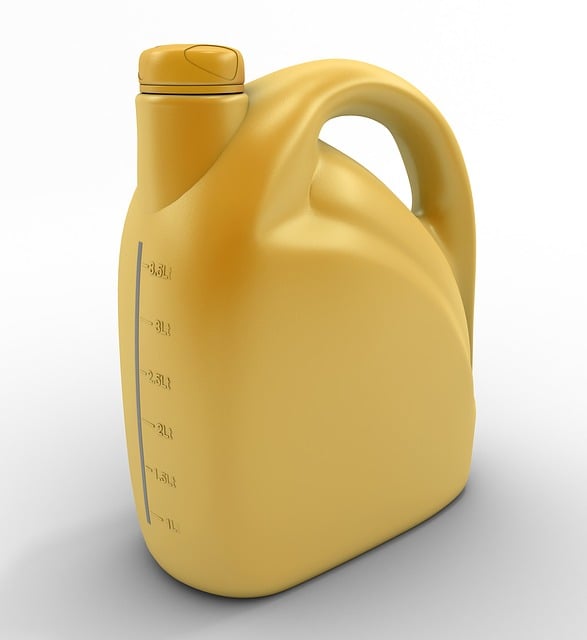
Selecting the appropriate motor oil is an often-overlooked yet critical aspect of vehicle maintenance. The right oil choice can significantly impact your SUV’s overall performance, efficiency, and longevity, especially in varying climatic conditions. During scorching summers, for instance, opting for a high-quality, full-synthetic oil can prevent premature engine wear by providing superior protection against heat and shearing forces. Conversely, in colder regions, an oil with a lower viscosity ensures easy engine operation at low temperatures, enhancing fuel efficiency.
When considering oil changes for SUVs or any vehicle, it’s essential to look beyond the conventional 5W-30 or 10W-40 options. Modern vehicles, especially high-performance SUVs, require specialized oils tailored to their unique engine specifications. Many auto shops now offer free oil change services as a way to attract customers, but not all oils are created equal. Ensure that the shop provides high-grade synthetic blends or pure synthetics, which offer enhanced protection and extended service intervals compared to conventional oils.
To make an informed decision, drivers should consult their vehicle’s owner manual for the recommended oil type and weight. For instance, many modern SUVs suggest 5W-20 or 5W-30 synthetic oils, designed to deliver optimal performance across a wide range of temperatures. Regular monitoring of oil levels and quality through dipsticks or advanced monitoring systems is also crucial. By following these guidelines, you can confidently choose the right oil for your SUV, ensuring it runs smoothly and efficiently throughout various seasonal conditions, including those sweltering summer months.
By thoroughly understanding your vehicle’s oil needs, considering factors like climate and driving conditions, regularly monitoring engine health, and aligning oil changes with mileage guidelines, you can confidently Select Oil Changes that optimize performance. This strategic approach ensures your engine receives the best possible lubrication, prolonging its lifespan and maximizing efficiency. Trust the authority of these guidelines to make informed decisions about your vehicle’s care.