

Understanding your vehicle's unique oil needs is crucial for informed decisions. Regularly consult owner's manuals and consider conventional/synthetic oils. Choose oil change services offering tailored packages, including efficient drains and bundled maintenance. Opt for regular checks despite advancements in synthetic oils. For optimal performance, extend engine life, especially during hot summers, adopt expert tips for select oil changes. Research shops specializing in various lubricants for quality care at a reasonable price.
Looking to save on expert oil changes without compromising your vehicle’s health? Understanding your car’s specific oil needs is key. This guide breaks down everything you need to know, from choosing the right motor oil to determining optimal change intervals. We’ll equip you with expert tips for efficient service selection, ensuring top-notch care at a fraction of the cost. By following these strategies, you can confidently navigate select oil changes, extending engine life and maximizing fuel efficiency.
- Understanding Your Vehicle's Oil Needs
- Types of Motor Oils Explained
- How Often Should You Change Oil?
- Expert Tips for Efficient Oil Changes
- Choosing the Right Oil Change Service
Understanding Your Vehicle's Oil Needs

Understanding your vehicle’s oil needs is a crucial first step when considering expert oil changes for less. Different cars have distinct requirements based on factors like make, model, age, and driving conditions. For instance, high-performance vehicles or those used for frequent towing may need deeper or more frequent oil changes than standard models. Regularly checking your owner’s manual will provide valuable insights into the recommended oil change intervals and types of motor oil suitable for your vehicle.
When selecting oil change services, consider both conventional and synthetic oils to find the best balance between performance and cost-effectiveness. Oil pan drain services are an essential part of any comprehensive oil change package, ensuring that old, contaminated oil is removed efficiently. Additionally, many service centers offer attractive oil change packages that bundle regular maintenance tasks, allowing you to save money while keeping your vehicle in top condition.
Types of Motor Oils Explained
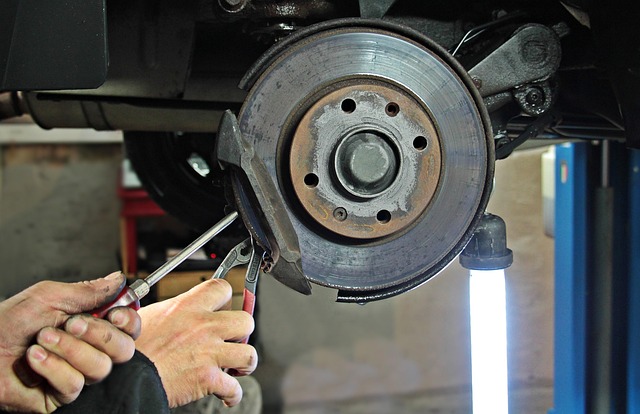
Motor oils are a crucial component in keeping your engine running smoothly and efficiently. When it comes to selecting the right oil for your vehicle, understanding the different types is essential. The market offers a wide array of options, from conventional to synthetic oils, each with unique properties and benefits.
Conventional motor oils, typically derived from petroleum, are the most common choice. These oils provide adequate lubrication and protection for everyday driving. However, they tend to break down faster under extreme conditions. Synthetic oils, on the other hand, are highly refined and offer superior performance. They can withstand higher temperatures, provide enhanced fuel economy, and have a longer lifespan compared to conventional oils. Some synthetic blends also incorporate additives that improve cleaning and corrosion protection, similar to those found in bicycle chain lubricants or grease gun oil services, ensuring your engine stays in top condition. Regular free oil checks are still recommended to monitor the health of your motor and ensure optimal performance.
How Often Should You Change Oil?

Expert Tips for Efficient Oil Changes

Staying on top of your vehicle’s engine oil maintenance is a crucial aspect of keeping your ride in peak condition, especially during the hot summer months when temperatures can spike. While many owners might opt for regular oil changes, experts suggest that understanding select oil changes can save you time and money without compromising performance. The key lies in recognizing when an oil change is truly necessary, considering factors like driving habits, climate, and vehicle age.
For instance, motorcycle oil maintenance differs slightly from standard engine oil maintenance. Motorcyclists should pay extra attention to their bike’s temperature and load conditions, as these impact oil viscosity. Regular checks can help identify signs of wear or contamination that might require more frequent changes. By adopting these expert tips, you’ll not only ensure optimal hot summer oiling but also extend the life of your engine, making your vehicle a reliable companion for years to come.
Choosing the Right Oil Change Service

When considering expert oil changes for less, selecting the right service is paramount. It’s not just about finding a nearby quick lube; it’s about choosing a provider that understands the nuances of vehicle maintenance. Look for shops that offer specific services tailored to your needs, whether you’re in the market for conventional, synthetic, or even marine engine lubricants. Electric car lubrication is another specialized area that some providers may not cater to, so ensure they have experience with your unique vehicle.
Researching their expertise and customer reviews can help you make an informed decision. Consider factors like warranty coverage, additional services offered (like filter replacements), and the types of oil they use. Remember, a quality service doesn’t always mean the priciest option; it’s about finding that sweet spot between cost-effectiveness and expert care for your vehicle.
When it comes to maintaining your vehicle, regular and expert oil changes are crucial. By understanding your car’s specific needs, choosing the right motor oil, and adhering to recommended intervals, you can ensure optimal performance and longevity. Opting for a reputable oil change service that provides quality care and affordable prices, like our recommended selections, is a smart move. Don’t overlook this essential task—it’s an investment in your vehicle’s health.