

Regular Select Oil Changes are crucial for vehicle health, extending engine life and saving costs. Key aspects include using high-quality oils (like synthetic), maintaining coolant and brake fluids, and expert tune-ups. Optimal intervals vary by driving habits, climate, and vehicle age, with modern vehicles often benefiting from synthetic oils. Free checks ensure timely maintenance, reducing mechanical failures and enhancing performance.
In today’s world, maintaining optimal vehicle health is not just a matter of convenience but a necessary step to ensure safety and longevity. Regular checks, especially for crucial components like the engine oil, are often overlooked despite their significance. The average driver may not realize that a simple yet effective solution lies within their grasp: scheduling consistent oil changes.
The problem? Neglecting this routine task can lead to severe engine damage over time. However, we offer a strategic approach to tackling this challenge, emphasizing the importance of Select Oil Changes, which provides an efficient and cost-effective method to keep your vehicle running smoothly.
- Understanding Free Vehicle Health Checks
- Benefits of Regular Oil Changes
- Choosing the Right Motor Oil
- Step-by-Step Guide to Select Oil Changes
- Maintaining Your Vehicle's Longevity
Understanding Free Vehicle Health Checks

Free vehicle health checks are an invaluable service that offers drivers a comprehensive overview of their car’s condition, with a particular focus on key components like the engine. These checks are designed to catch potential issues early, saving both time and money in the long run. A basic health check often includes an engine tune-up, which involves not just checking but also adjusting various systems for optimal performance. This is particularly important when considering that the engine is the heart of any vehicle, and its health directly impacts fuel efficiency, emissions, and overall driving experience.
One critical aspect often bundled with a free health check is the oil change. Selecting the right oil and changing it at appropriate intervals is a key factor in maintaining engine longevity. For example, synthetic oils have gained popularity due to their enhanced performance in extreme temperatures, providing better protection against wear and tear. In race cars, where performance margins are razor-thin, choosing the correct oil viscosity and adding performance additives can make a significant difference in engine efficiency and durability. The same principles apply to everyday vehicles, with regular oil changes and the use of high-quality oils contributing to improved fuel economy and reduced emissions.
In addition to oil changes, a thorough health check should encompass an assessment of other vital fluids like coolant and brake fluid. These fluids play critical roles in maintaining engine temperature, ensuring efficient braking systems, and preventing corrosion. By combining these checks with expert advice on engine tune-ups, drivers can make informed decisions about their vehicle’s maintenance. For instance, understanding the recommended interval for oil changes based on factors like driving habits and environmental conditions allows owners to stay ahead of potential issues. Regularly scheduled health checks, coupled with proper maintenance practices, are essential steps toward maximizing the lifespan and performance of any vehicle, be it a daily commuter or a high-performance sports car.
Benefits of Regular Oil Changes

Regular oil changes are an essential aspect of vehicle maintenance, offering numerous benefits that go beyond just keeping your engine running smoothly. It’s a cornerstone of proactive care, designed to prolong engine life and maintain optimal performance. The process involves more than simply swapping out the old oil; it includes a thorough cleansing of internal components, ensuring maximum efficiency and minimizing wear and tear. This is particularly crucial during hot summer months when elevated temperatures can increase friction and stress on engine parts.
One of the key advantages of adhering to a scheduled oil change regimen is cost savings in the long run. While initial outlay for oil change packages might seem significant, neglecting this routine maintenance can lead to much bigger repair bills down the line. For instance, research suggests that vehicles with regular oil changes exhibit significantly lower rates of engine failures compared to those with infrequent servicing. Furthermore, selecting eco-friendly oil options—which are often synthetic and designed to reduce environmental impact—can contribute to sustainability goals without compromising performance.
Additionally, modern vehicle manufacturers emphasize the importance of using the correct oil for optimal results. Using Select Oil Changes naturally, tailored to your vehicle’s specific needs, ensures peak engine efficiency and longevity. This personalized approach is especially beneficial given the wide variety of oil types available, ranging from conventional to fully synthetic blends. By staying informed and adhering to recommended intervals, drivers can ensure their vehicles are prepared for any seasonal changes or demanding driving conditions, ensuring reliable performance year-round.
Choosing the Right Motor Oil

Choosing the right motor oil is an essential component of any vehicle health check, especially when paired with a regular engine tune-up and oil change. The right oil can significantly impact your engine’s performance, longevity, and fuel efficiency. While it might seem straightforward, selecting the ideal oil for your specific vehicle involves considering factors like climate, driving habits, and the car’s make and model. For instance, cold weather oil tips suggest using oils with lower viscosity to ensure easy flow in colder temperatures, preventing engine strain during startup.
A key consideration is API (American Petroleum Institute) classification, which categorises oils based on their performance. The latest API standards like SI4 include advanced base stocks and additives, offering superior protection compared to older specifications. Additionally, looking at the ACEA (Association des Construteurs Européens d’Automobiles) rating system provides guidance on oil’s compatibility with specific vehicle types and engine designs.
Timing is crucial when it comes to oil changes—typically recommended every 5,000 to 7,500 miles or every 6 to 12 months, depending on factors mentioned above. Select Oil Changes naturally by opting for high-quality synthetic oils, which offer enhanced protection and longer intervals between changes compared to conventional oils. Regular engine tune-ups in conjunction with these oil changes can help catch potential issues early, ensuring your vehicle remains in top shape, especially during peak performance seasons.
Step-by-Step Guide to Select Oil Changes

Selecting the right oil changes is a crucial aspect of vehicle maintenance, especially when coupled with free oil checks offered by many service centers. Start by understanding your vehicle’s specific requirements. Different cars have varying engine types and designs, which impact the type and viscosity of oil needed. For instance, high-performance sports cars often demand synthetic oils for enhanced protection and efficiency.
Performing regular free oil checks is an excellent way to stay proactive. These checks not only monitor oil levels but also assess its quality and potential contaminants. Many modern vehicles come equipped with oil change reminders, ensuring you never overlook this critical service. For example, some manufacturers recommend oil changes every 5,000 miles or at specific intervals as indicated by the car’s computer system.
When considering race car oil choices, factor in extreme conditions. High-performance oils designed for racing are formulated to withstand intense heat and pressure. They often contain additives that improve thermal stability and protect against engine wear. However, these specialized oils might not be necessary for daily drivers unless you’re frequently pushing your vehicle to its limits. Regular, timely oil changes with high-quality conventional oils have proven effective in maintaining optimal engine performance and longevity.
Maintaining Your Vehicle's Longevity
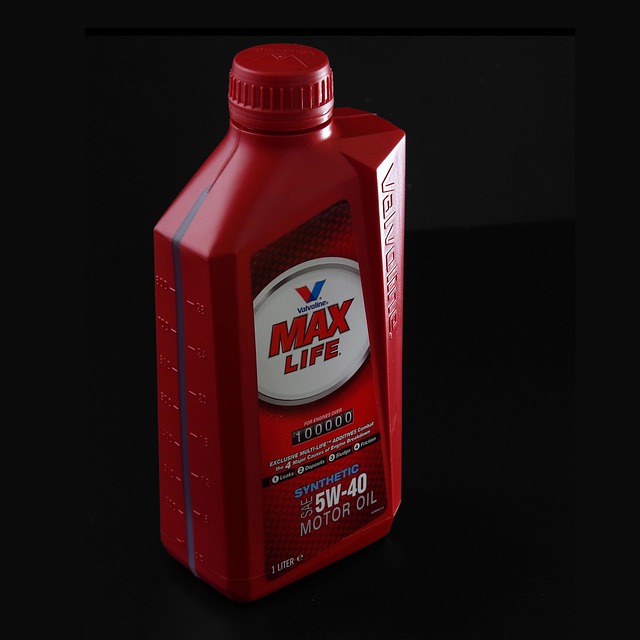
Maintaining your vehicle’s longevity requires a multifaceted approach, with regular engine oil maintenance playing a pivotal role. Oil changes are not one-size-fits-all; the optimal frequency depends on various factors such as driving habits, climate, and vehicle age. For instance, SUVs often require more frequent oil changes due to their larger engines and typically rougher driving conditions compared to sedans. This is where auto shops offering free oil changes can be a significant help, providing not just convenience but also a chance for regular engine health assessments.
Select Oil Changes, when done naturally, involve choosing high-quality oils that suit your vehicle’s specific needs. Using the recommended grade by the manufacturer ensures optimal performance and longevity of engine components. It’s worth noting that modern vehicles are designed to operate efficiently with synthetic oils, which offer enhanced protection against wear and tear. Regular oil changes, typically every 5,000 to 7,500 miles (8,000 to 12,000 kilometers) or as recommended by your vehicle’s manual, can prevent serious engine damage. Auto shops with free oil change services often include this maintenance in their routine checks, alerting drivers to any potential issues before they become costly repairs.
Moreover, proper engine oil maintenance goes beyond just changing the oil. It involves checking other vital fluids, such as coolant and transmission fluid, for signs of contamination or degradation. Regular inspections can prevent overheating, improve fuel efficiency, and enhance overall vehicle performance. For example, a study by the American Automobile Association (AAA) found that vehicles with regularly maintained engine oil had significantly lower rates of mechanical failures compared to those with neglected maintenance. By prioritizing these simple yet effective practices, drivers can extend their vehicle’s lifespan and enjoy smoother, more efficient driving experiences.
By embracing regular oil changes and Select Oil Changes thoughtfully, vehicle owners can significantly extend their car’s lifespan while reaping numerous benefits. This article has illuminated the critical role of free vehicle health checks in preventive maintenance, underscoring the positive impact on performance, fuel efficiency, and environmental sustainability. Understanding the importance of motor oil selection is paramount; choosing the right oil aligns with your vehicle’s needs, ensuring optimal operation. The step-by-step guide provided serves as a practical tool for navigating this process effectively. Embracing these insights empowers drivers to take control of their vehicle’s health, fostering longevity and peace of mind on the road ahead.