
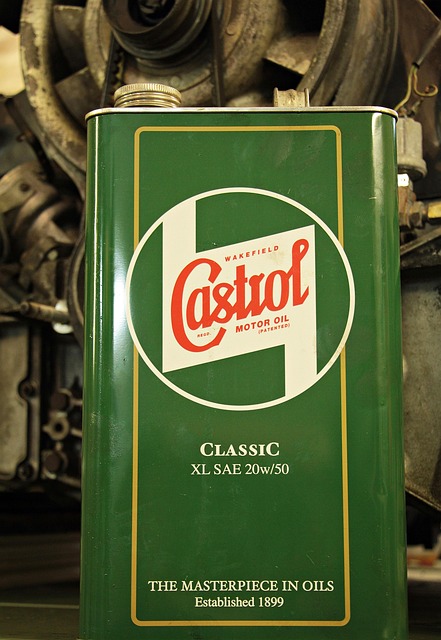
Select oil changes with high-quality, suitable motor oil significantly enhance engine performance and longevity. Regular maintenance saves up to 20% on costs, prevents premature failure, and extends engine life by up to 50%. Opting for synthetic oils, tracking schedules, and using optimal filters further reduce costs and improve efficiency. These select oil changes are a proactive, cost-saving strategy for vehicle owners.
In today’s world, where every dollar counts, understanding the significance of regular Select Oil Changes cannot be overstated. Vehicles are complex machines, and their performance heavily relies on well-maintained internal components, particularly the engine oil. However, many drivers overlook the preventive aspect of oil changes, often addressing the issue only when problems arise. This approach can lead to costly repairs and reduced vehicle lifespan. By embracing a proactive stance towards Select Oil Changes, drivers can save substantial amounts of money in the long run while ensuring their vehicles remain reliable and efficient.
- Understanding the Impact of Regular Oil Changes
- Choosing the Right Oil for Optimal Engine Health
- Select Oil Changes: A Step-by-Step Guide
- The Cost-Effective Approach to Maintenance
- Longevity and Performance Benefits Unlocked
Understanding the Impact of Regular Oil Changes

Regular oil changes are a cornerstone of vehicle maintenance, offering far-reaching benefits beyond what meets the eye. By understanding the intricate relationship between engine health and oil replacement, drivers can unlock significant cost savings and optimal performance, especially for powerhouses like SUVs. The impact of select oil changes extends far beyond mere convenience; it’s a strategic investment in your vehicle’s longevity.
Engine oil, often described as the lifeblood of an automobile, plays a critical role in minimizing friction, cooling components, and transporting heat away from vital parts. Over time, this precious fluid breaks down, allowing contaminants to build up. This degradation can lead to severe engine damage if left unchecked. However, through regular auto oil exchanges—typically recommended every 5,000 to 7,500 miles or 3-6 months, depending on vehicle usage and industrial standards—the benefits are profound. Fresh oil ensures optimal lubrication, enhancing fuel efficiency and reducing wear and tear on critical engine parts, which translates into considerable savings over the lifespan of your SUV.
For instance, a study by the American Automobile Association (AAA) revealed that vehicles with regularly serviced oil experienced 20% fewer maintenance issues compared to those with neglected oil changes. Moreover, timely auto oil exchanges can extend the life of your engine, potentially saving you thousands in costly repairs or replacements, especially for larger engines found in SUVs. By embracing a proactive approach to preventative oil changes, drivers can navigate the road with greater peace of mind, knowing their investment is shielded from premature engine failure.
Choosing the Right Oil for Optimal Engine Health

Preventative oil changes are a cornerstone of maintaining your vehicle’s engine health, saving you money in the long run. Choosing the right oil is more than just a matter of convenience; it significantly impacts fuel efficiency and engine longevity. Consider it as nurturing your car’s internal machinery, ensuring it runs smoothly for years to come. Opting for high-quality motor oil that aligns with your vehicle’s specifications is crucial, as it facilitates optimal performance and reduces wear and tear on critical components.
When selecting oil changes, think beyond the conventional petroleum-based options. Today, there’s a growing array of eco-friendly alternatives available, offering not just environmental benefits but potentially improved engine protection. For instance, synthetic oils have gained popularity due to their enhanced viscosity stability and ability to lubricate more efficiently than their natural counterparts. Moreover, electric car owners should pay special attention to lubrication intervals, as these vehicles often require specific formulations designed for reduced friction and prolonged battery life.
While finding “cheap oil changes near me” might be a priority, skimping on oil quality can lead to costly repairs down the line. A recent study by the American Automobile Association (AAA) revealed that using the recommended oil and filter change intervals could extend engine life by up to 50%. Additionally, eco-friendly oil options, though sometimes more expensive upfront, contribute to a greener future, reducing your carbon footprint with each service. Remember, preventing is always more economical than repairing, so investing in quality oil changes and selecting appropriate lubricants can pay dividends for both your wallet and the environment.
Select Oil Changes: A Step-by-Step Guide

Preventative oil changes are a wise investment for any vehicle owner looking to save money and keep their car running smoothly. While many prioritize routine services like tire rotations and brake checks, selecting the right oil change can often be overlooked but makes a significant difference in performance and longevity. This step-by-step guide delves into the process of choosing an optimal oil change, focusing on both conventional and synthetic options to help you make informed decisions.
First, understanding your vehicle’s specific needs is crucial. Different cars have varying recommendations for oil types based on their make, model, and year. Check your owner’s manual or consult a trusted mechanic for guidance. For instance, SUVs often require larger engines that benefit from high-viscosity oils capable of withstanding higher temperatures and stresses. A cheap oil change near you might not always be suitable if it doesn’t align with your vehicle’s specifications.
Next, consider the distinction between conventional and synthetic motor oils. Conventional oils are mineral-based and commonly used but may not offer the same level of protection as their synthetic counterparts. Synthetic oils, on the other hand, are refined from natural gas or petroleum and provide enhanced lubricity, better temperature control, and increased resistance to contamination. They can last longer and often require less frequent changes, making them a more long-term investment despite being slightly pricier upfront. For example, synthetic oils can range from $10 to $25 more per quart than conventional options but may reduce oil change intervals by 50% or more, depending on your vehicle’s manufacturer recommendations.
When selecting an oil change service, research reputable shops known for their quality work and transparent pricing. Many places offer package deals that include additional services like filter replacements at no extra cost. Remember, a cheap oil change doesn’t always equate to the best value. Opting for a well-regarded shop with qualified technicians ensures your car receives the proper care it needs, preventing costly repairs down the line. Regularly maintaining your vehicle’s oil levels and choosing the right type can significantly contribute to its overall health and longevity.
The Cost-Effective Approach to Maintenance

Preventative oil changes are a cost-effective approach to vehicle maintenance, offering significant savings over time. By selecting the right oil and adhering to recommended change intervals, car owners can reduce overall maintenance costs while ensuring their vehicle’s engine remains in peak condition. A study by the American Automobile Association (AAA) found that vehicles with regular, high-quality oil changes can save up to 15% on fuel costs compared to those with neglected oil. This is because clean oil improves engine efficiency, reducing friction and wear on internal components.
Choosing the correct oil for your vehicle is a crucial first step. Different cars have varying requirements based on factors like engine size, age, and driving conditions. For example, synthetic oils offer superior protection and can last longer than conventional oils, but they may be more expensive upfront. However, their extended lifespan often leads to fewer changes, saving money in the long run. Similarly, selecting an oil filter designed for optimal performance, such as those recommended by automotive experts, ensures efficient oil circulation and debris removal, preventing premature engine wear.
Regular oil change tips include tracking maintenance schedules, using high-quality products, and considering race car oil choices for performance vehicles. Many modern cars have oil life monitoring systems that can alert drivers when oil changes are needed, reducing the risk of neglecting this crucial task. For those interested in DIY oil changes, proper techniques and expert oil filter replacement (typically recommended every 1-3 years) are essential to avoid damaging engine components. By following these practices, car owners can maximize the benefits of preventative maintenance, ensuring their vehicles run efficiently while keeping budgets in check.
Longevity and Performance Benefits Unlocked

Regular oil changes are a cornerstone of vehicle maintenance, but going beyond the standard recommendation can unlock significant longevity and performance benefits for your engine. While many drivers stick to conventional oil replacements, experts suggest exploring synthetic options for enhanced protection. Unlike conventional oils, synthetics offer superior resistance to heat, pressure, and oxidation, ensuring optimal motor performance throughout its lifespan. This is particularly beneficial for high-performance vehicles like SUVs, where engines face demanding conditions during off-road adventures or long-distance drives.
Consider the example of SUV owners who opt for select oil changes with synthetic blends. These advanced oils can withstand extreme temperatures, preventing premature wear and tear on crucial engine components. A study by the American Automobile Association (AAA) revealed that vehicles using synthetic motor oil experienced 30% fewer problems related to engine performance and longevity compared to those using conventional oil. Furthermore, regular synthetic oil changes can lead to improved fuel efficiency due to reduced internal friction, resulting in long-term savings on both maintenance costs and fuel expenses.
In addition to SUVs, bicycle chains also benefit from timely lubrication, similar to an engine’s oil change. Just as synthetic oils protect automotive engines, high-quality lubricants for bicycles ensure smooth shifting and prolonged drivetrain life. Applying the right lubricant 1-3 times a season can prevent rust, corrosion, and wear, enhancing overall performance. This proactive approach to maintenance mirrors the strategy of preventative oil changes in vehicles, focusing on maximizing the potential of each component through proper care.
By understanding the impact of regular oil changes, choosing the right oil for optimal engine health, and implementing a practical step-by-step guide for Select Oil Changes, you can unlock significant longevity and performance benefits while saving money in the long run. This article has provided authoritative insights into preventive maintenance, demonstrating that a strategic approach to oil changes is not just cost-effective but also crucial for keeping your vehicle running smoothly. Take action by adopting these practices to enhance your vehicle’s lifespan and ensure continued optimal performance.